Blog
How to Start Buying Pallet Liquidation Stock: A Step-by-Step Guide for First-Time Buyers

How to Start Buying Pallet Liquidation Stock: A Step-by-Step Guide for First-Time Buyers
Buying your first liquidation pallet feels like a gamble the first time you do it — you’re handing over money for a stack of boxes you can’t fully see inside, based on a description and maybe a manifest. It doesn’t have to be a gamble. The buyers who do well with pallet liquidation follow a fairly boring, repeatable process. This guide walks through exactly what that process looks like, step by step.
Is Pallet Liquidation Actually Worth It for a New Buyer?
Here’s the honest version most sellers won’t tell you upfront: most first-time buyers don’t make strong profit on their very first pallet. There’s a learning curve — reading manifests, judging condition, figuring out what actually sells in your market. That’s normal. The buyers who succeed treat their first one or two orders as tuition, not a jackpot, and adjust from there.
What do you actually see from first-time buyers who order from Pallet Liquidation — do most break even, profit, or take a small loss on their first order? A rough, honest number here is more convincing than any promise of guaranteed profit.]
How Much Should You Start With?
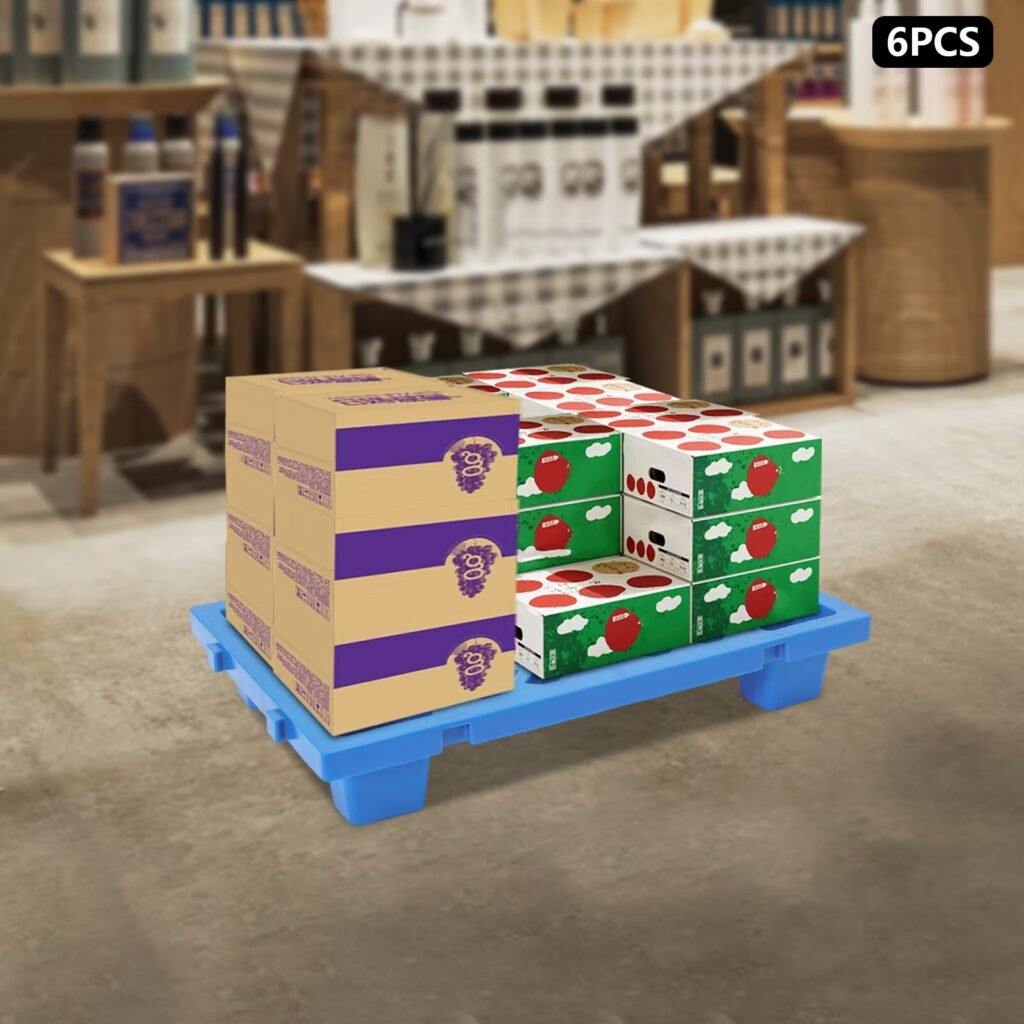
You don’t need a warehouse and a huge budget to start. A single pallet is usually enough to learn the process — sorting, grading, and figuring out where your stock actually sells — without risking more than you can afford to lose. Once you’ve been through that cycle once and know roughly what to expect, scaling up to multiple pallets or a part-truckload makes far more sense.
What’s your actual entry-level price point for a single pallet, and what would you recommend a total first-time budget be once shipping and handling are included?]
Step 1 — Pick One Category You Actually Understand
Don’t start with a category you can’t judge the condition or resale value of. If you don’t know electronics, don’t buy an electronics pallet — you won’t be able to tell a working item from a faulty one, and you’ll overpay for stock you can’t move. Start with something you already understand: household goods, general merchandise, or a category you’ve sold before, even informally.
Step 2 — Always Get the Manifest
A manifest is an itemised list of what’s actually on the pallet — sometimes down to individual SKUs, sometimes just categories and quantities. Buying “unmanifested” (no list, just a category label like “general merchandise”) is a bigger risk, and it should come with a noticeably lower price to reflect that. For a first order, a manifested pallet is worth paying a bit more for — it turns your purchase from a guess into a calculation.
Does Pallet Liquidation provide manifests as standard, or only on certain pallet types? What level of detail is on a typical manifest — SKU-level, category-level, something in between?]
Step 3 — Place a Small Test Order Before Scaling
Resist the urge to buy a truckload on your first order because the per-unit price looks better. A single pallet gives you the same lesson at a fraction of the risk. Once you’ve sorted through it, sold most of it, and know your real numbers — cost per item, average resale price, time spent sorting — you’ll know whether it’s worth scaling and by how much.
Step 4 — Budget for the Costs Buyers Forget
The pallet price is rarely the whole cost. Shipping, and for cross-border orders, customs and duties, can add a meaningful amount on top of what you paid for the stock itself. Storage space and the time it takes to sort and grade everything is a real cost too, even if it doesn’t show up on an invoice. Buyers who only budget the sticker price are the ones who find out too late that their margin was thinner than it looked.
For a buyer ordering from the UK vs. from elsewhere in the EU, what do shipping and customs actually look like in practice — any numbers or examples you can share?]
Step 5 — Sort, Grade, and List Fast
Once your pallet arrives, the clock is running. Inventory that sits unsorted in a garage or storeroom isn’t making anyone money. Unpack it, grade each item honestly (new, like-new, used-but-functional, damaged), and get it listed or shelved as quickly as you reasonably can. Speed matters more than perfection here — a fast, slightly rough sort beats a slow, perfect one.
What’s a real example of a customer who did this well — sorted and turned around a pallet quickly — versus one who let stock sit? What was the difference in outcome?]
What Realistic Returns Look Like
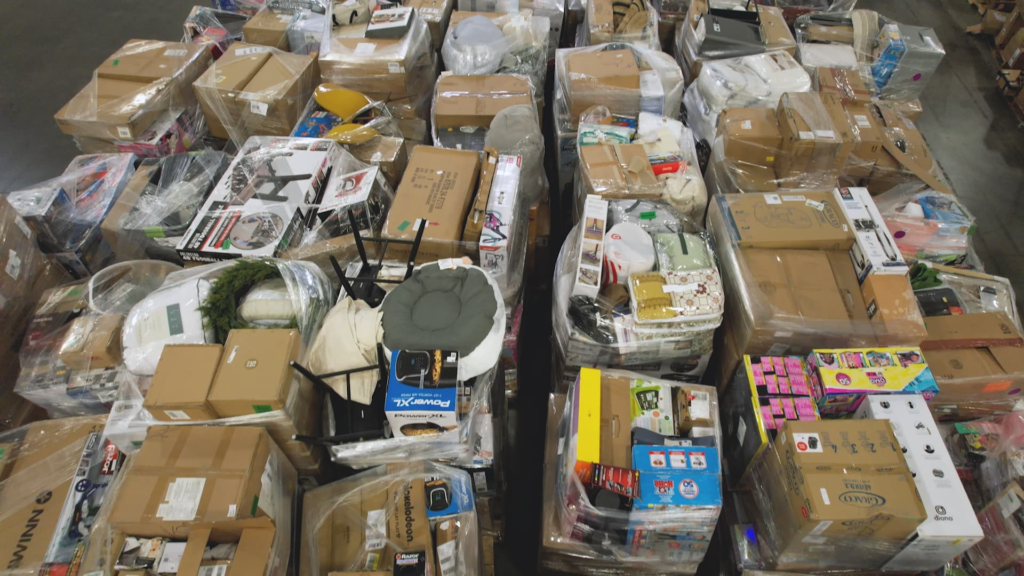
Be wary of anyone promising huge, guaranteed margins on liquidation stock — real returns vary a lot by category and by how well you sort and sell. A realistic expectation is a healthy margin after all costs, not the enormous headline numbers sometimes advertised. Categories with steady, non-seasonal demand tend to perform more predictably than trend-driven ones.
Getting Your First Pallet From Pallet Liquidation
This is the close — what would you actually say to a nervous first-time buyer about ordering from you specifically? Manifest transparency, categories you specialise in, how you support first-time buyers, minimum order size, delivery across UK/EU — whatever is genuinely true and sets you apart.]
SELF-INTERVIEW QUESTIONS:
- What do most first-time buyers experience on their first order — profit, break-even, or loss? → feeds into: Is It Worth It
- What’s your actual entry price for a single pallet, and a realistic total first-time budget? → feeds into: How Much Should You Start With?
- Do you provide manifests as standard, and how detailed are they? → feeds into: Step 2
- What do shipping and customs actually cost for UK vs. EU buyers? → feeds into: Step 4
- Tell me about a customer who sorted and sold fast vs. one who let stock sit — what happened? → feeds into: Step 5
- What would you tell a nervous first-time buyer about ordering from you specifically? → feeds into: Closing section