Blog
Liquidation Pallets: What They Are, What to Expect, and How to Buy Smart

Liquidation Pallets: What They Are, What to Expect, and How to Buy Smart
If you run a shop, a resale business, or a small wholesale operation, you’ve probably heard other buyers talk about “liquidation pallets” as a way to get stock cheap. The idea is simple: instead of buying products one case at a time at full wholesale price, you buy a pallet of mixed or bulk goods — often overstock, shelf pulls, or returns — at a steep discount off retail value.
Done right, it’s one of the fastest ways to stock a shop or build resale inventory without tying up huge amounts of cash. Done blind, it’s also one of the easiest ways to end up with a warehouse full of stuff nobody wants. This page walks through exactly what you’re buying, how pricing actually works, and what separates a good liquidation pallet from a bad one.
What Are Liquidation Pallets, Exactly?
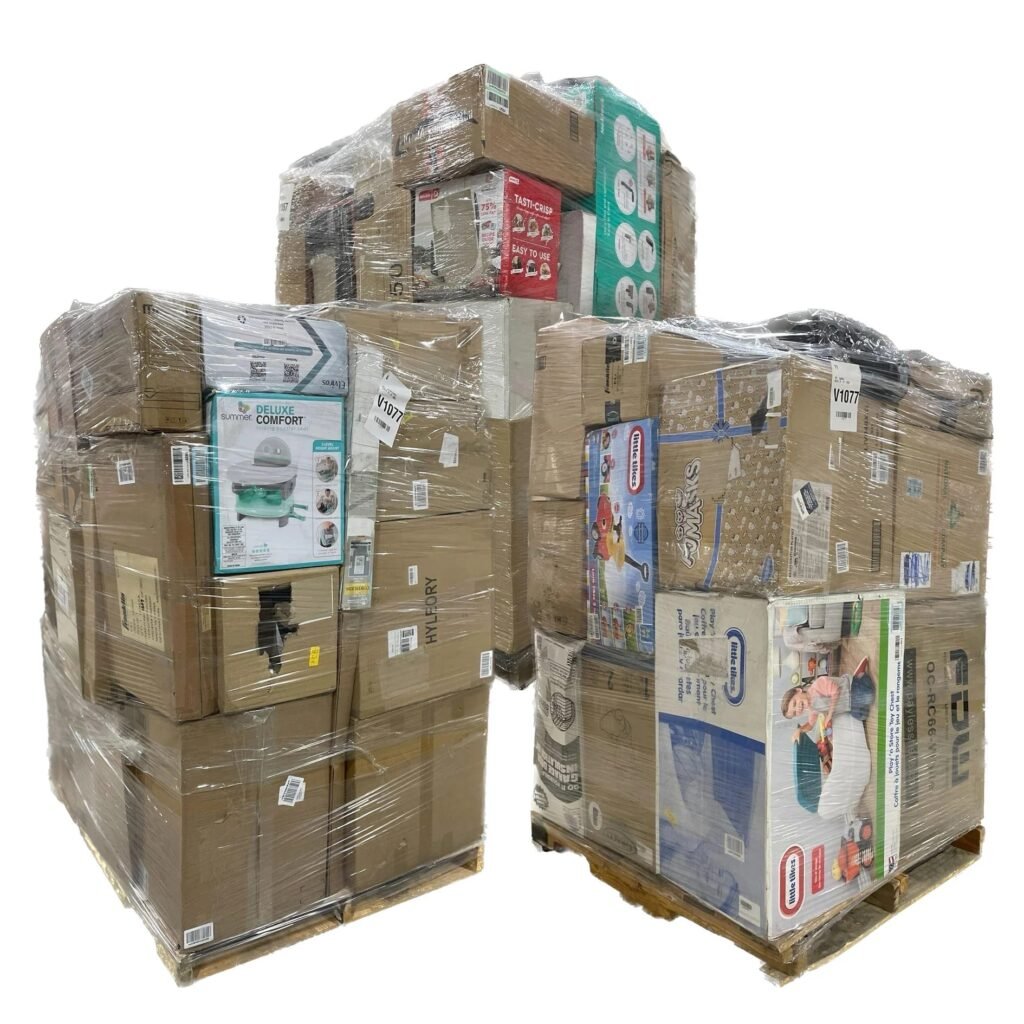
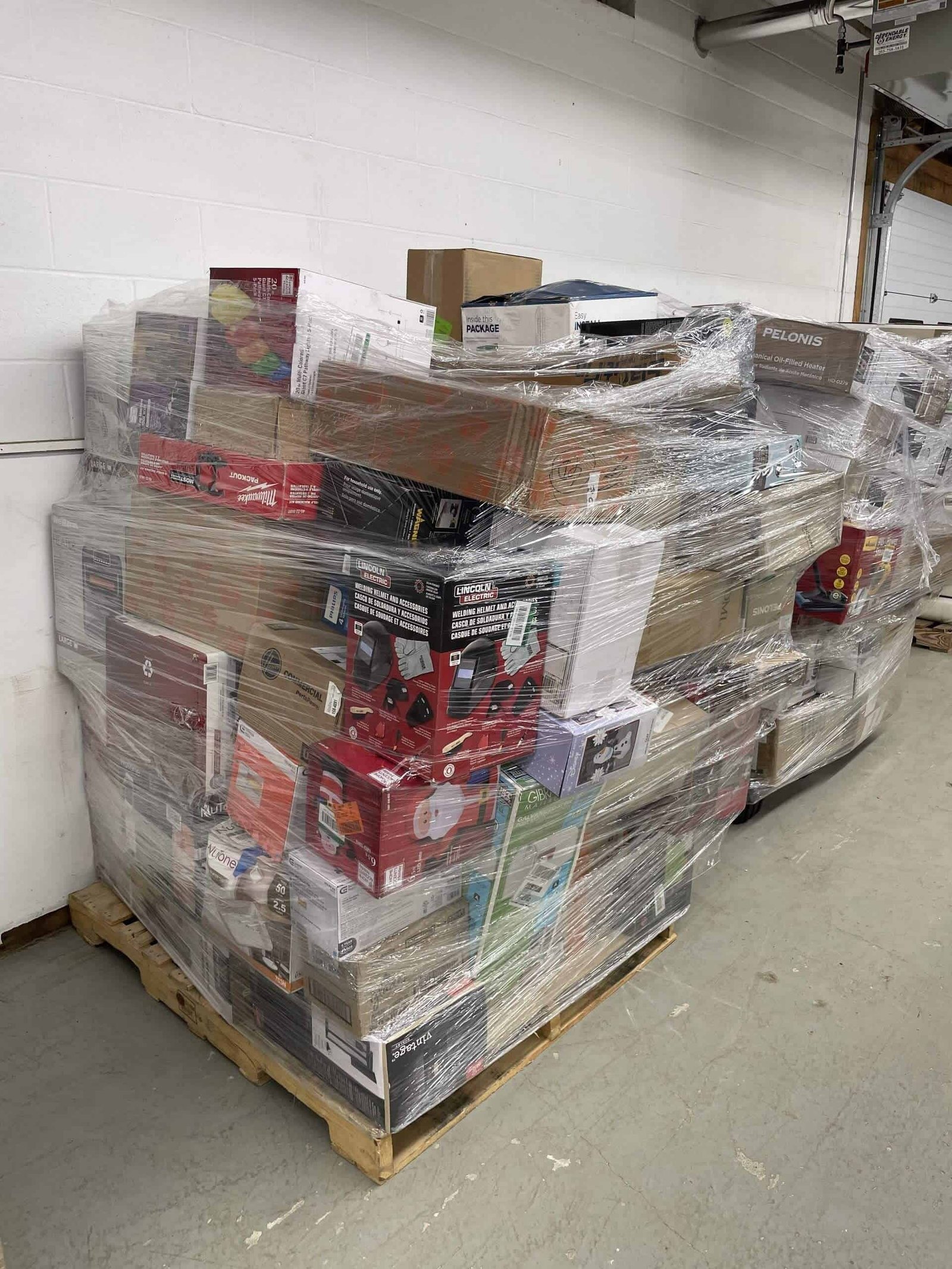
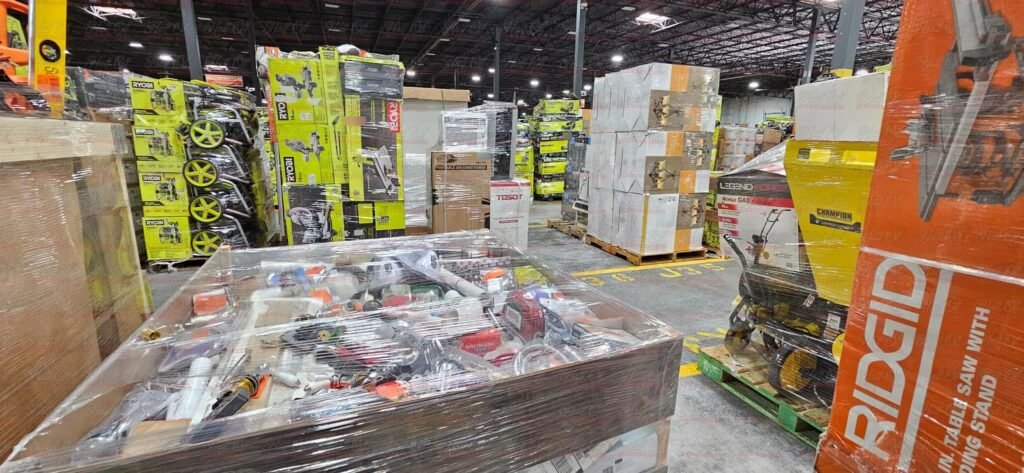
A liquidation pallet is a bulk lot of merchandise — anything from a few dozen items to several thousand — grouped onto a single pallet and sold as one unit, usually well below the combined retail value. The goods typically come from retailers and distributors who need to move inventory quickly: products that didn’t sell in time, seasonal stock being cleared out, warehouse overstock, or returns that can’t go back on a shelf as new.
For the seller, it’s a way to recover value on stock that would otherwise sit unsold or get written off. For the buyer, it’s a way to acquire real, branded merchandise at a fraction of what it would cost through normal ordering.
What’s the actual range of savings your customers see buying from Pallet Liquidation vs. standard wholesale pricing? A rough percentage or a real example — “a recent pallet retailed at £X, sold at £Y” — is worth more here than anything generic.]
The Different Types of Liquidation Pallets
Not every pallet is the same, and the type matters more than the price tag.
Shelf pulls and overstock
These are products pulled from shelves to make room for newer stock, or items that were never put out at all because there was simply too much of them. Condition is generally excellent — this is the safest category if you’re new to buying liquidation stock, because you’re not gambling on damage or missing parts.
Customer returns
Returned goods vary a lot. Some are barely touched — a customer changed their mind. Others have damaged packaging, missing components, or genuine defects. Return pallets often carry a higher face value than shelf-pull pallets, but they need more sorting and grading time before you can resell them with confidence.
Mixed/general merchandise
These pallets combine several categories or SKUs into one lot — useful if you want variety for a shop floor, but harder to predict in terms of exact contents unless the seller gives you a manifest (an itemised list of what’s on the pallet).
Which of these types does Pallet Liquidation mainly deal in — and is there a category you’d actively steer a first-time buyer away from? A short, honest opinion here builds more trust than a neutral description.]
How Pricing Works
Liquidation pallets are usually priced as a percentage of the goods’ original retail value, not the wholesale cost — so a pallet listed at a certain price is being measured against what those same items would cost a customer buying them individually at full price, not what a retailer would normally pay to stock them wholesale. That’s the whole appeal: the discount is measured against retail, but you’re a business buyer paying far less.
Prices scale with volume. A single pallet costs less up front but carries a higher per-unit sorting cost. A full truckload lowers the per-unit price further but requires more capital and storage space to absorb it. Where you land on that scale depends on your storage capacity and how fast you can move stock.
What does Pallet Liquidation’s actual pricing structure look like — single pallet vs. bulk/truckload orders? Even a rough starting price point in GBP gives buyers something concrete to anchor on instead of guessing.]
What to Check Before You Buy a Pallet
A few questions separate a good purchase from an expensive mistake:
- Is there a manifest? A detailed list of contents (even approximate) tells you far more than a vague category label like “general merchandise.”
- What’s the condition grading? Ask specifically whether items are new, shelf-pull, or returned — and whether that’s verified or estimated.
- Where did the stock come from? A seller who can name the source retailer or supplier chain is more trustworthy than one who can’t.
- What are the shipping and customs costs? These can quietly erase your margin if you don’t account for them upfront, especially for orders crossing from the UK into the EU.
- Do you have somewhere to sort and store it? Even a “clean” pallet needs space to unpack, inspect, and organise before it’s shelf-ready.
Common Mistakes First-Time Buyers Make
The biggest mistake isn’t a bad pallet — it’s buying a category you don’t understand. If you don’t know how to grade electronics, don’t start there. Stick to categories where you already know what “sellable condition” looks like, at least for your first few orders.
The second mistake is treating liquidation pallets like a one-time score instead of part of an ongoing sourcing strategy. The buyers who do well with liquidation stock treat it the same way they treat any other supplier relationship: they test small, track what sells, and scale up with sellers who prove reliable.
What’s a mistake you’ve actually seen a customer make when buying liquidation stock — and what would you tell them to do differently? A real, specific story here is the single strongest thing you can add to this page.]
Why Buy From Pallet Liquidation
This section needs your voice directly — why should a UK or EU buyer choose Pallet Liquidation over a generic liquidation site or auction platform? Think about what you’d genuinely tell a hesitant first-time buyer: manifest transparency, categories you specialise in, UK-to-EU delivery, minimum order flexibility, whatever is actually true and differentiating.]
FAQ
Is buying liquidation pallets legal?
Yes. Liquidation merchandise is legitimate inventory moved through official retail and wholesale channels, and reselling it is a normal business activity.
Do I need a business licence or VAT number to buy?
[EXPERTISE GAP: Does Pallet Liquidation require any business registration or VAT number from B2B buyers before they can order — and does this differ for UK vs. EU customers post-Brexit?]
How do I know what condition the items will be in?
Ask for a manifest and condition grading before you buy — a supplier who can’t or won’t provide this is a red flag.
What categories move fastest for resellers?
This depends heavily on your customer base, but general merchandise, household essentials, and everyday consumer goods tend to have steadier, more predictable demand than seasonal or trend-driven categories.
SELF-INTERVIEW QUESTIONS:
Answer these in your own words — record yourself talking if that’s easier, then paste the transcript back and I’ll weave it into the draft.
- What’s a real example of savings a customer got buying a pallet from you vs. standard wholesale pricing? → feeds into: What Are Liquidation Pallets, Exactly?
- What types of pallets do you mainly sell (shelf-pull, overstock, returns, mixed)? Is there a type you’d warn buyers away from? → feeds into: The Different Types of Liquidation Pallets
- What does your pricing actually look like — single pallet minimum, bulk/truckload pricing? → feeds into: How Pricing Works
- Tell me about a time a customer’s order went wrong (or unexpectedly well) — what happened? → feeds into: Common Mistakes First-Time Buyers Make
- Why should a buyer choose Pallet Liquidation over other UK/EU liquidation sellers or auction sites? → feeds into: Why Buy From Pallet Liquidation
- Do you require business registration, a VAT number, or a minimum order for B2B buyers — and does this differ UK vs. EU? → feeds into: FAQ
- What’s the most common question new buyers ask before their first order? → feeds into: FAQ / What to Check Before You Buy
- What categories sell fastest for your resale customers? → feeds into: FAQ